
Full Mouth
Rehabilitation
- Personalized treatment planning
- Advanced dental care
- Cuttack, Odisha
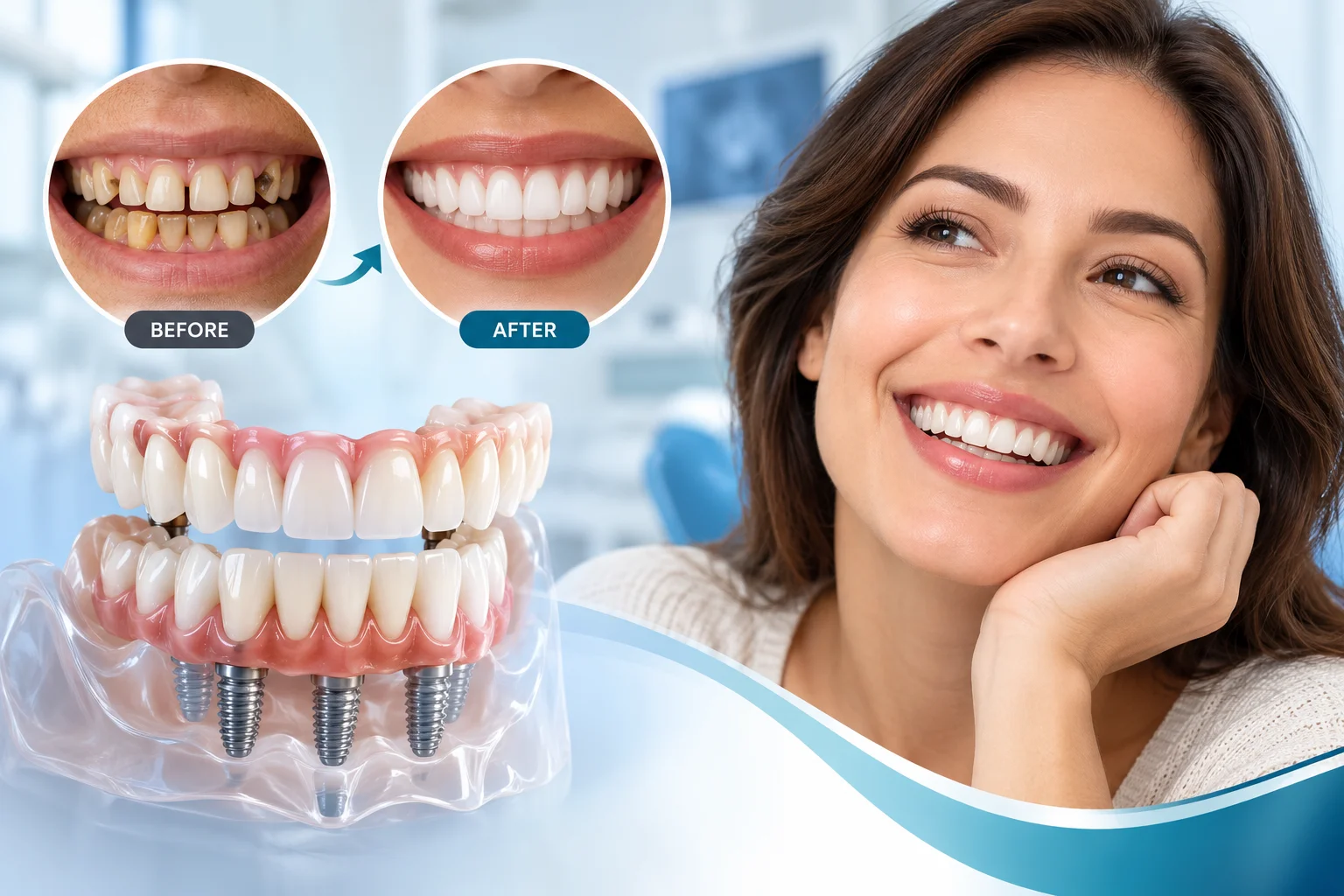
What is Full Mouth Rehabilitation?
When can it help?
- Multiple damaged, missing or severely worn teeth
- Difficulty chewing or changes in your bite
- Advanced tooth decay or gum disease
- Fractured or heavily restored teeth
- A combination of functional and aesthetic concerns
Dental problems rarely happen in isolation.
Severe tooth decay
Missing teeth
Worn or fractured teeth
Bite & jaw concerns
Advanced gum disease
Smile concerns
Starts with a careful diagnosis.
Comprehensive Exam
Diagnostics
Plan Together
Begin Treatment
Care can be coordinated around your needs.
Dental Implants
Replace missing teeth and help restore chewing function and tooth support.
Crowns & Bridges
Restore damaged or missing teeth with customized fixed restorations.
Veneers & Smile Design
Improve selected aesthetic concerns such as shape, proportion and color.
Braces & Aligners
Correct selected alignment and bite concerns before or alongside restorative care.
Gum Treatment
Manage gum disease and support a healthier foundation for rehabilitation.
Root Canal Treatment
Preserve suitable teeth affected by infection or damage to the dental pulp.
TMJ Care
Evaluate jaw-joint and bite-related symptoms when they are part of the problem.
Bone Grafting
Selected grafting or sinus-lift procedures may help prepare sites for implants.
More than a cosmetic change.
Restored Function
Support more comfortable chewing and everyday oral function.
Healthier Foundation
Address underlying tooth and gum concerns as part of the plan.
Balanced Smile
Improve selected concerns involving tooth shape, color and proportion.
Better Confidence
Feel more comfortable speaking, smiling and interacting with others.
Long-Term Planning
Coordinate treatments with maintenance and future oral health in mind.
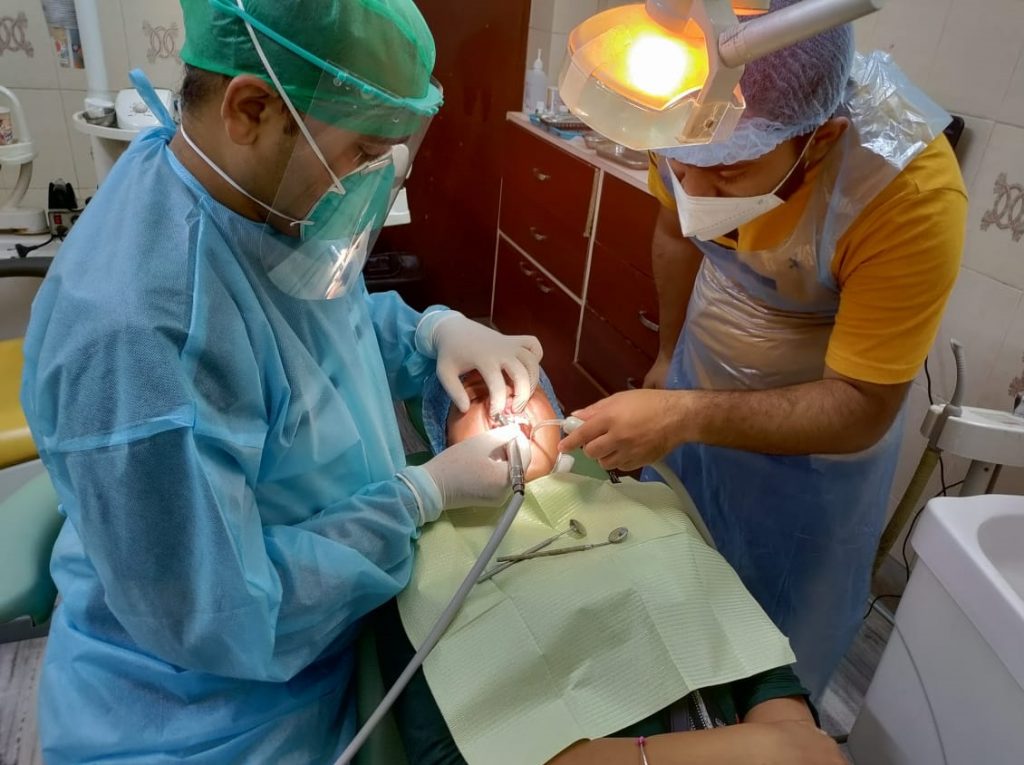
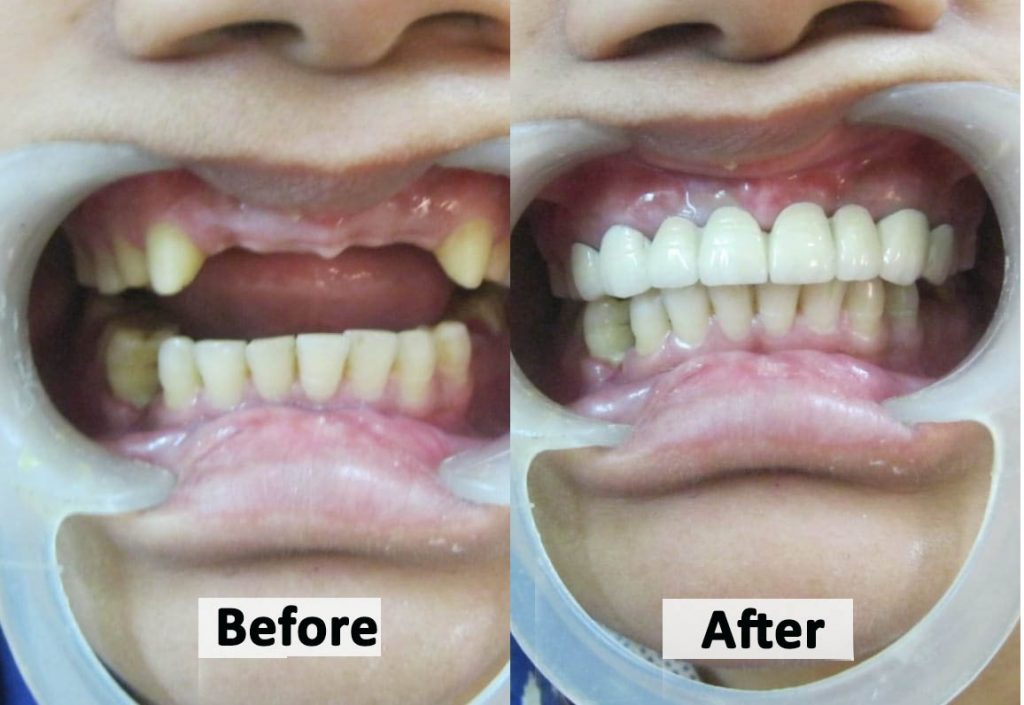
Designed around real dental care.
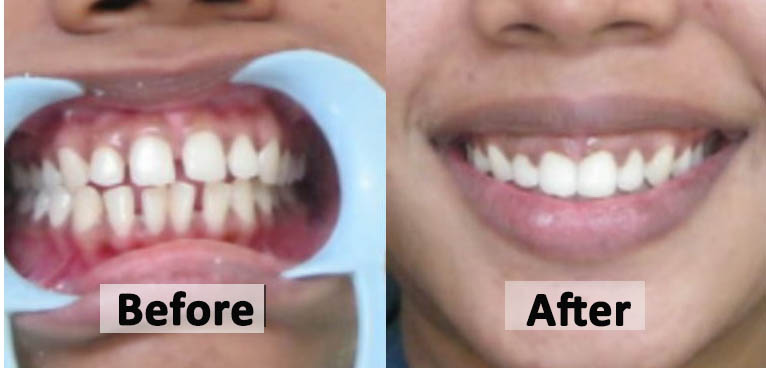
Other Treatments
Ready to rebuild your smile?
- +91 94371 21631
- dentalhelpjkd2012@gmail.com
- Canal Rd, Ranihat, Cuttack, Odisha 753001
Frequently Asked Questions
Not necessarily. It is generally considered for people with multiple dental problems involving teeth, gums, bite or tooth loss. A dentist must assess your oral health, medical history, goals and treatment options before recommending a plan.
No. Full mouth rehabilitation does not automatically mean replacing every tooth. The treatment may involve repairing and preserving natural teeth while replacing only teeth that cannot be predictably restored.
The timeline varies significantly by case. Some plans can be completed in weeks, while complex cases involving implants, gum treatment, orthodontics or multiple restorations may take several months. Your dentist can provide a more specific estimate after diagnosis.
Many procedures are performed with local anesthesia and modern techniques designed to improve patient comfort. Some procedures can involve temporary sensitivity or soreness during healing. Your dentist will explain what to expect for each stage.
There is no single fixed price because the treatment is customized. The total cost depends on the number and type of procedures required, materials selected and the complexity of your case. A detailed estimate can be provided after consultation.